Get Flexible Financing Options Today
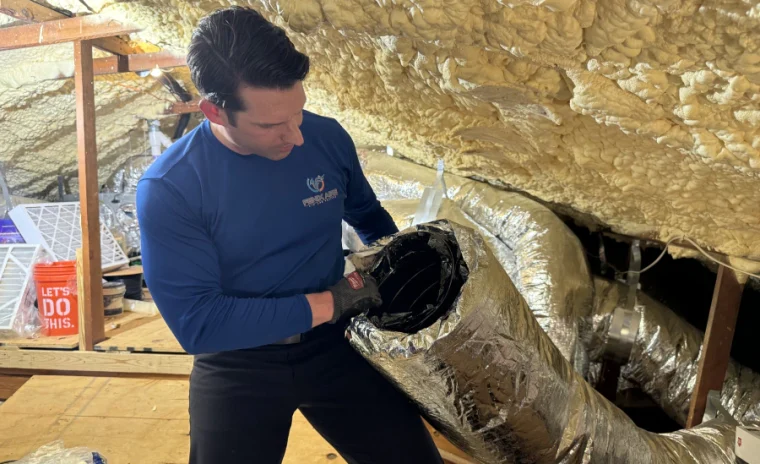
Indoor air quality plays a major role in your comfort, health, and overall home environment. One often overlooked part of maintaining clean indoor air is your HVAC system’s ductwork. Understanding how often to clean air ducts is essential for keeping your system efficient and your air fresh.
Air ducts collect dust, allergens, pet dander, and other debris over time. If they are not cleaned regularly, these contaminants can circulate throughout your home every time your heating or cooling system runs. This is why knowing the right air duct cleaning frequency is so important for homeowners.
In this guide, we’ll break down the benefits of air duct cleaning, the warning signs that indicate it’s time for service, and when to clean air ducts based on your home’s needs.
Why Air Duct Cleaning Matters
Your HVAC system continuously moves air throughout your home. Over time, dust and debris build up inside the ductwork. Without regular cleaning, this buildup can affect both air quality and system performance.

Understanding the benefits of air duct cleaning helps highlight why maintenance should not be ignored:
- Improved indoor air quality
- Reduced allergens and irritants
- Better HVAC system efficiency
- Lower energy consumption
- Reduced dust buildup in the home
- Longer HVAC system lifespan
Clean air ducts help ensure the air you breathe is fresher, healthier, and safer for your family.
How Often to Clean Air Ducts
One of the most common questions homeowners ask is how often to clean air ducts. While there is no one-size-fits-all answer, most experts recommend cleaning air ducts every 3 to 5 years under normal conditions.
However, this air duct cleaning frequency can vary depending on several factors:
1. Pets in the Home
If you have pets, especially those that shed, you may need to clean your air ducts more frequently—about every 2 to 3 years.
2. Allergies or Respiratory Issues
Homes with individuals who suffer from allergies, asthma, or respiratory conditions may benefit from more frequent cleanings to reduce airborne irritants.
3. Recent Renovations
Construction and remodeling projects produce dust and debris that can quickly accumulate in ductwork, making cleaning necessary after completion.
4. Smoking Indoors
Tobacco smoke can leave residue inside ducts, requiring more frequent maintenance to maintain healthy air quality.
5. Location and Environment
Homes in dusty, humid, or high-pollen areas may need more frequent cleaning compared to homes in cleaner environments.
When Should You Clean Air Ducts?
Knowing when should you clean air ducts is just as important as knowing how often. There are specific situations where immediate cleaning is recommended.
You should consider cleaning your air ducts if:
- You notice visible dust or debris blowing from vents
- There is a musty or unusual odor coming from the HVAC system
- You see mold growth inside ducts or around vents
- Your energy bills suddenly increase without explanation
- Airflow seems weak or inconsistent in certain rooms
- You have recently moved into a new home
These signs indicate that your duct system may be affecting both air quality and HVAC performance.
Signs You Need Air Duct Cleaning
Recognizing the signs you need air duct cleaning can help you take action before problems worsen. Some of the most common indicators include:
1. Excess Dust in Your Home
If you notice dust accumulating quickly after cleaning, dirty ducts may be circulating particles throughout your home.
2. Allergy Flare-Ups
Increased allergy symptoms such as sneezing, coughing, or congestion can be linked to poor indoor air quality caused by dirty ductwork.
3. Unpleasant Odors
Persistent odors coming from vents may indicate mold, mildew, or debris buildup inside the system.
4. Visible Mold Growth
Mold inside ducts is a serious issue that requires immediate attention to prevent health risks.
5. Pest Infestation
Rodents or insects can enter duct systems, leaving behind waste and contaminants that affect air quality.
Benefits of Air Duct Cleaning
Regular maintenance offers several long-term advantages beyond just cleaner air. The benefits of air duct cleaning include both health and efficiency improvements.
Improved Air Quality
Clean ducts reduce airborne pollutants, making it easier to breathe—especially for individuals with allergies or asthma.
Increased HVAC Efficiency
When ducts are free from debris, air flows more easily, allowing your HVAC system to work more efficiently and use less energy.
Lower Energy Bills
An efficient system doesn’t have to work as hard, which can lead to noticeable savings on monthly utility costs.
Reduced Household Dust
Cleaner ducts mean less dust circulating through your home, reducing the need for frequent cleaning.
Extended System Lifespan
By reducing strain on your HVAC system, regular duct cleaning can help extend its overall lifespan.
Factors That Affect Air Duct Cleaning Frequency
Not every home requires the same cleaning schedule. Your air duct cleaning frequency depends on lifestyle, environment, and system usage.
Key factors include:
- Number of occupants in the home
- Presence of pets
- Local air quality
- HVAC usage patterns
- Home age and construction materials
Understanding these factors can help you determine the right maintenance schedule for your home.
What Happens During Air Duct Cleaning?
Professional air duct cleaning typically involves:
- Inspecting the duct system for buildup or damage
- Using specialized tools to loosen dust and debris
- Vacuuming contaminants from the ducts
- Cleaning vents and registers
- Checking airflow and system performance
This process helps restore cleaner airflow and improve system efficiency.
How to Maintain Cleaner Air Ducts Longer
While regular cleaning is essential, you can also take steps to reduce buildup between services:
- Change HVAC filters regularly (every 1–3 months)
- Keep vents and registers clean and unblocked
- Schedule routine HVAC maintenance
- Reduce indoor dust by vacuuming frequently
- Control humidity levels to prevent mold growth
These simple habits can extend the time between professional cleanings.